
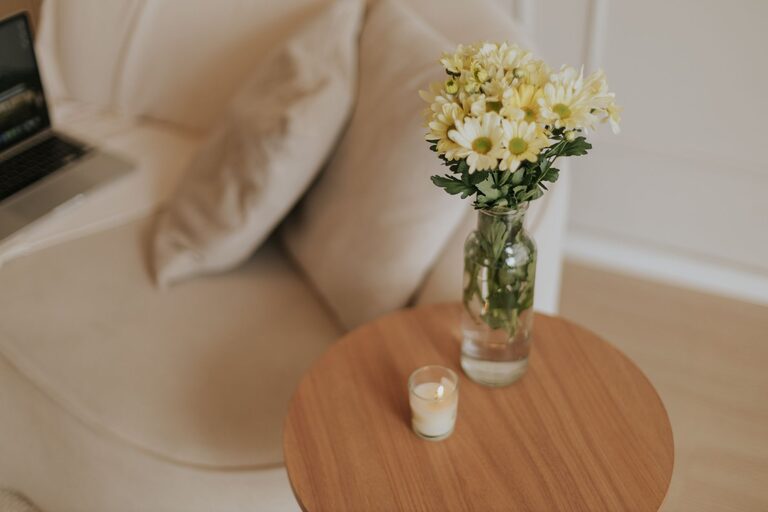
Creating a cozy and inviting home office space is essential for anyone working from home or spending extended hours on projects. A well-designed workspace can improve your mood, increase productivity, and make the experience of working from home much more enjoyable. If you’re looking to transform your home office into a comfortable and inspiring environment, here are some helpful tips to guide you.
1. Choose the Right Location
The foundation of a cozy home office starts with location:
– Natural Light: Select a spot near a window to take advantage of natural light. Sunlight helps regulate your circadian rhythm, reducing eye strain and boosting energy.
– Minimal Distractions: Opt for a quiet area away from high-traffic zones in your home. This will help you stay focused during work hours.
– Space Considerations: Ensure the space is large enough to accommodate your desk, chair, and any additional furniture or storage you may need.
2. Invest in Comfortable Furniture
Comfort is key when you spend hours at your desk:
– Ergonomic Chair: Choose a chair that supports your back and encourages good posture to avoid discomfort.
– Functional Desk: Your desk should accommodate your computer, workspace essentials, and provide enough room to move freely.
– Flexible Layout: Consider adjustable or standing desks if you want to alternate between sitting and standing during the day.
3. Use Warm and Inviting Colors
Color sets the tone for your office atmosphere:
– Soft Neutrals: Shades like beige, soft gray, or pastel tones create a warm and calming environment.
– Accent Colors: Add pops of color with accessories such as throw pillows, artwork, or rugs to inject personality.
– Avoid Harsh Brights: While energetic colors can motivate, avoid overly bright or neon shades that can cause eye fatigue.
4. Add Textures and Layers
To make your home office feel truly cozy, think beyond paint and furniture:
– Area Rugs: A soft rug under your desk can add warmth and comfort, especially if you have hardwood floors.
– Throw Blankets and Cushions: Having a soft throw or cushions on your chair can increase comfort and add an inviting look.
– Curtains or Blinds: They not only control light but add a layer of texture that softens the space.
5. Personalize Your Space
A personal touch will help you feel at ease and motivated:
– Photos and Mementos: Display meaningful pictures or souvenirs that bring you joy.
– Inspirational Quotes: Hang motivating phrases or artwork that inspire you on tough days.
– Plants and Greenery: Adding plants can improve air quality and boost happiness. Choose low-maintenance options like succulents or snake plants for easy care.
6. Optimize Lighting for Comfort and Function
Proper lighting reduces eye strain and sets the mood:
– Task Lighting: Use a desk lamp with adjustable brightness to focus light where you need it most.
– Ambient Lighting: Soft overhead lighting or floor lamps can create a warm, inviting glow.
– Avoid Glare: Position screens and lights to minimize glare and reflections during the day.
7. Keep Clutter Under Control
A tidy space encourages a tidy mind:
– Storage Solutions: Use shelves, drawers, and organizers to keep paperwork and office supplies neatly stored.
– Cable Management: Employ cable clips or covers to keep cords out of sight.
– Regular Cleanup: Set aside a few minutes at the end of each day to clear your desk and reset for the next work session.
8. Incorporate Calming Scents and Sounds
Engage your senses for a more pleasant workspace:
– Aromatherapy: Use candles, essential oil diffusers, or sachets with scents like lavender or eucalyptus to create a calming atmosphere.
– Ambient Sounds: Low background music or white noise can help some people focus and mask distracting noises.
9. Plan for Break Areas
Including a spot for short breaks can enhance comfort and productivity:
– Comfortable Seating: A small armchair or cushioned bench lets you step away from your desk to recharge.
– Reading Nook: If space allows, a small corner with good lighting and your favorite books can foster creativity.
– Refreshment Station: Having water, tea, or coffee nearby encourages you to stay hydrated and take mindful breaks.
10. Keep Technology User-Friendly
Make sure your devices are set up for ease of use:
– Monitor Placement: Position your computer monitor at eye level to reduce neck strain.
– Keyboard and Mouse: Choose ergonomic designs to support your hands and wrists.
– Reliable Internet Access: Invest in a strong and stable connection to avoid frustration during work.
—
Final Thoughts
Designing a cozy and inviting home office doesn’t require a complete overhaul. With some thoughtful choices in lighting, furniture, colors, and organization, you can create a space that is both comfortable and conducive to productivity. Remember, your home office should reflect your needs and personality—making it a place where you look forward to spending time every day. Take small steps, experiment with what feels best, and enjoy the process of creating your personal work haven.