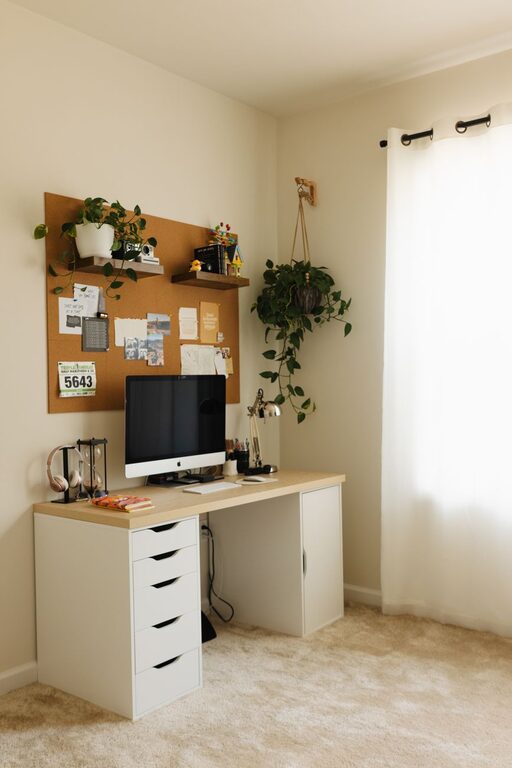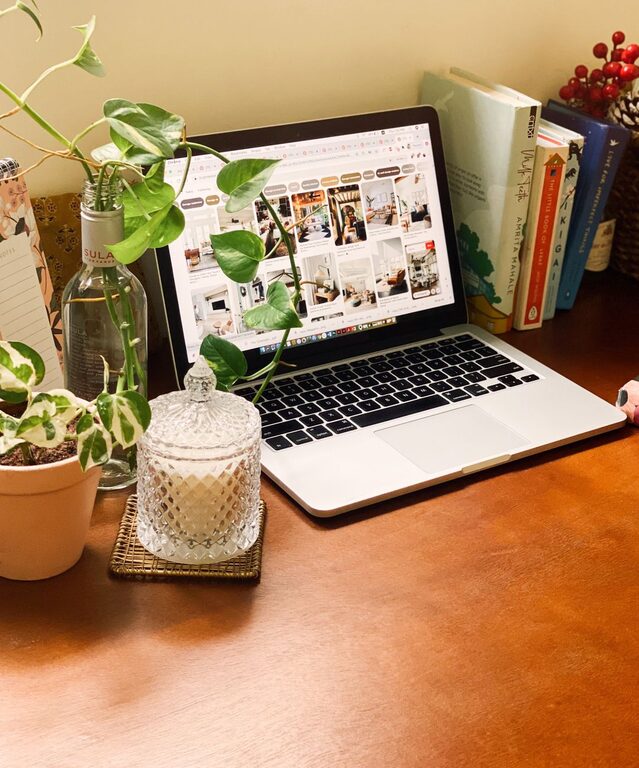
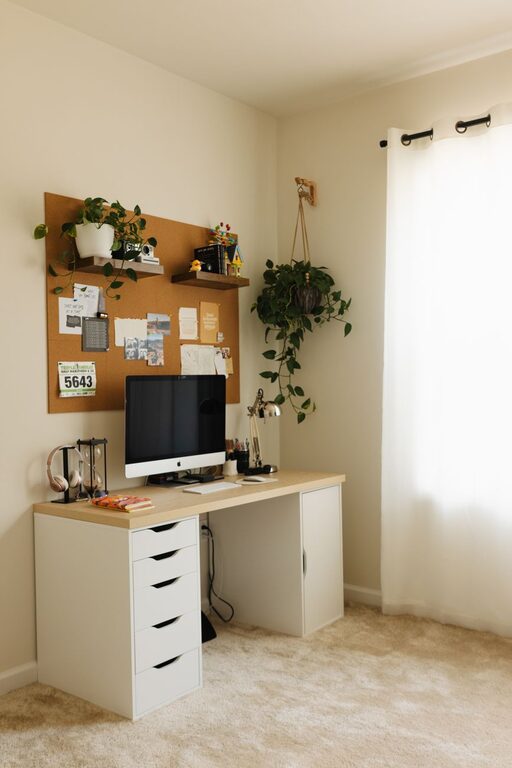
Creating a home workspace that is both cozy and productive can greatly improve your work-from-home experience. Whether you’re settling into a dedicated office room or carving out a nook in your living room, the right environment helps you stay focused and feel comfortable throughout your workday. Here are some practical tips to help you create a home workspace that supports productivity and invites comfort.
1. Choose the Right Location
The first step in setting up a home workspace is choosing the best possible location. Ideally, find a spot with minimal distractions and good natural light.
– Quiet corners or spare rooms can work well.
– Avoid areas with heavy foot traffic or loud background noise.
– Near a window can provide natural light, which boosts mood and alertness.
Even if you don’t have a dedicated room, a well-defined small area can become your workspace with the right setup.
2. Invest in Comfortable and Functional Furniture
Comfort is key when you’re spending hours at your desk, but so is functionality.
– Ergonomic chair: Choose a chair that supports your back and encourages good posture.
– Proper desk height: Your desk should be at a height where your arms rest comfortably at a 90-degree angle.
– Adjustable furniture: Consider sit-stand desks or adjustable chairs to switch positions and avoid fatigue.
Comfortable furniture reduces physical strain, helping you stay productive longer.
3. Optimize Lighting
Lighting has a big impact on your comfort and focus.
– Natural light: Position your desk near windows if possible.
– Soft artificial lighting: Use desk lamps with warm light to reduce eye strain.
– Avoid glare: Make sure screens aren’t positioned directly opposite windows, which can cause glare.
Good lighting helps reduce headaches and keeps you alert.
4. Keep Your Workspace Organized
A cluttered workspace can be distracting and stressful, so maintaining organization is important.
– Use storage solutions: Shelves, drawers, and organizers help keep essentials tidy.
– Limit desk items: Keep only what you regularly use on your desk.
– Cable management: Use clips or sleeves to keep cords neat and out of the way.
Regularly tidying your workspace can boost your mindset and productivity.
5. Personalize Your Space
Adding personal touches can make your workspace more inviting and motivate you.
– Add plants: Greenery improves air quality and adds a sense of calm.
– Artwork or photos: Decorate with items that inspire you.
– Comfort items: Cushions, soft blankets, or a nice mug for your coffee can add coziness.
Just be careful not to overcrowd the space with distractions.
6. Minimize Distractions
To maintain focus, take steps to reduce interruptions.
– Use noise-cancelling headphones or white noise machines if you live in a noisy environment.
– Set boundaries: Communicate your work hours to family or housemates.
– Turn off unnecessary notifications on your phone or computer during work hours.
A focused environment helps you complete tasks more efficiently.
7. Incorporate Functional Technology
Having the right technology tools supports productivity.
– Reliable internet connection: Ensure your Wi-Fi is strong and consistent.
– Quality peripherals: Consider ergonomic keyboards, a good mouse, and a monitor at eye level.
– Backup solutions: Use cloud storage or external drives to keep your work safe.
Regularly update your devices and software for smooth operation.
8. Take Breaks and Move Around
Even in a cozy and well-equipped workspace, it’s important to rest regularly.
– Follow the 20-20-20 rule: Every 20 minutes, look at something 20 feet away for 20 seconds.
– Stretch or walk: Move around to avoid stiffness and improve circulation.
– Stay hydrated: Keep water nearby to stay refreshed.
Taking breaks is essential for maintaining long-term productivity and comfort.
9. Add Inspiring Elements
Inspiration fuels creativity and motivation.
– Vision boards or motivational quotes: Place these where you can see them easily.
– Color psychology: Use colors that promote calm and focus—blues and greens are popular choices.
Customizing your environment with inspiring touches helps maintain a positive work mindset.
—
Final Thoughts
Designing a home workspace that is both cozy and productive is about balancing comfort with functionality. By choosing the right location, investing in quality furniture, optimizing lighting, organizing efficiently, and personalizing your space, you can create an environment that supports your best work. Remember to minimize distractions, use proper technology, and prioritize breaks to keep your energy up throughout the day. With these practical tips, you’ll enjoy working from home more and accomplish your tasks with greater ease.