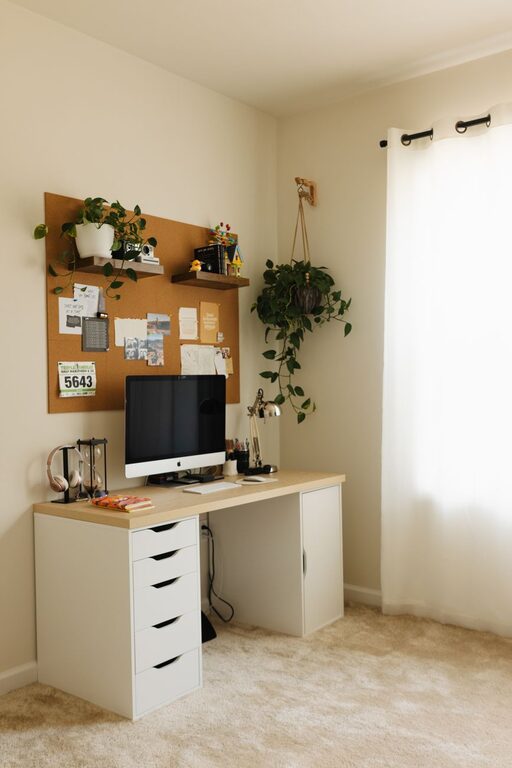
Having a clean and organized workspace can significantly improve your productivity and overall work experience. A cluttered desk not only distracts you but can also increase stress and reduce your ability to focus. Whether you work from home or in an office, creating a clutter-free environment is key to staying productive and motivated. Here are some practical tips to help you organize your workspace and keep it clutter-free.
Why a Clutter-Free Workspace Matters
Before diving into the tips, it’s helpful to understand why maintaining an organized workspace is important:
– Improves Focus: A tidy desk minimizes visual distractions.
– Boosts Efficiency: Finding documents or tools quickly saves time.
– Reduces Stress: Clutter can lead to feelings of chaos and overwhelm.
– Encourages Creativity: A clean space often fosters clearer thinking.
Now, let’s explore how you can achieve and maintain a clutter-free workspace.
1. Start with a Clean Sweep
Before organizing, clear everything off your desk and clean the surface. Wipe down your desk, keyboard, mouse, and any equipment. This fresh start will make organizing easier and more satisfying.
– Remove every item from your workspace.
– Sort items into categories: keep, relocate, or discard.
– Clean your desk and equipment thoroughly.
2. Keep Only Essentials on Your Desk
Limit the items on your desk to what you use daily. This may include your computer, phone, a notepad, and pen.
– Store infrequently used items elsewhere.
– Use drawers or shelves for supplies not needed daily.
– Avoid piling paperwork on your desk; use designated trays.
3. Use Organizers and Storage Solutions
Invest in desk organizers and storage solutions that fit your space and needs:
– Desk trays: Sort incoming, outgoing, and pending papers.
– Pen holders: Keep writing tools tidy and accessible.
– Drawer dividers: Separate items like cables, chargers, and stationery.
– Shelves or filing cabinets: Store documents and books efficiently.
4. Create a Filing System
Paper clutter is often the root of a messy workspace. Setting up a filing system can help:
– Sort papers into categories like bills, projects, and reference materials.
– Label folders clearly for easy identification.
– Go digital when possible by scanning documents and organizing them on your computer.
5. Establish Daily and Weekly Routines
Maintaining an organized workspace requires consistent effort. Create simple routines to keep clutter at bay:
– Spend 5 minutes at the end of each day tidying your desk.
– Once a week, review and file paperwork.
– Regularly declutter and donate or recycle unused items.
6. Manage Cables Effectively
Cables for chargers, monitors, and other devices can create unnecessary clutter:
– Use cable clips or ties to bundle wires neatly.
– Consider wireless accessories to reduce cable numbers.
– Position power strips out of sight, if possible.
7. Personalize Mindfully
While personalization is important to make your space comfortable, too many items can add clutter:
– Choose a few meaningful items like a photo frame or a small plant.
– Avoid overcrowding your desk with decorations.
– Rotate personal items periodically to keep your space fresh.
8. Optimize Your Digital Workspace
Physical clutter is only part of the picture. Digital clutter can also distract you:
– Organize your desktop icons and files into folders.
– Use productivity tools and apps to keep track of tasks.
– Regularly delete or archive unnecessary files and emails.
9. Plan Your Workspace Layout
Arrange your desk and tools to improve workflow and comfort:
– Position your computer screen at eye level.
– Keep frequently used items within arm’s reach.
– Ensure adequate lighting to reduce eye strain.
10. Practice Mindful Habits
Being mindful of your workspace habits can prevent clutter build-up:
– Avoid piling up documents; handle paperwork immediately.
– Put back items after use.
– Reflect on what is essential regularly and remove excess.
—
Final Thoughts
Organizing a clutter-free workspace doesn’t have to be overwhelming. By implementing these simple tips and maintaining daily habits, you can enjoy a neat, productive environment that supports your focus and creativity. Start small, stay consistent, and watch your productivity flourish in a space that truly works for you.
Remember, your workspace is a reflection of how you work—make it a place that inspires calm, focus, and accomplishment.