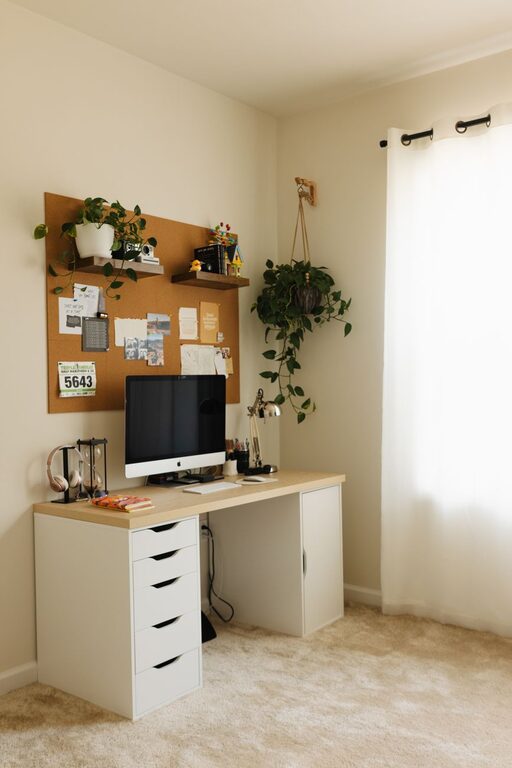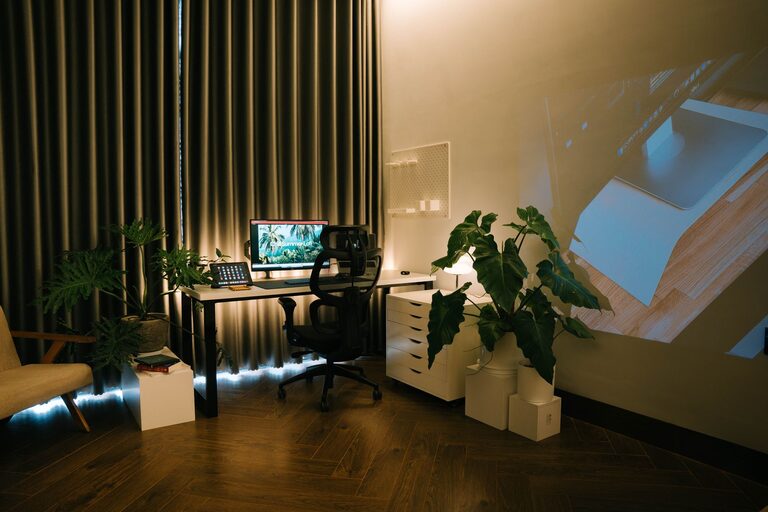

Creating a productive home office environment is essential for anyone who works remotely or spends significant time working from home. A well-organized, comfortable, and inspiring workspace can improve focus, reduce stress, and help you separate work from personal life. Whether you’re just starting to set up your home office or looking to improve your current space, here are some practical tips to help you create a productive home office environment.
Choose the Right Location
Find a Dedicated Space
Selecting a specific area in your home for work helps signal the start and end of your workday. Ideally, this should be a quiet spot with minimal distractions—away from high-traffic areas like the kitchen or living room.
Consider Natural Light
Natural light can boost mood and energy. Position your desk near a window to take advantage of daylight. If natural light isn’t an option, invest in good-quality, adjustable lighting that won’t strain your eyes during long hours.
Design a Functional Workspace
Invest in Ergonomic Furniture
Your comfort matters. Choose a supportive chair that promotes good posture to avoid back and neck pain. A desk at the right height will keep your arms and wrists comfortable while typing.
Declutter and Organize
A tidy workspace enhances focus. Use shelves, drawers, and desk organizers to keep paperwork, office supplies, and devices in order. Regularly clear away unnecessary clutter.
Optimize Your Desk Setup
Place frequently used items within easy reach. Arrange your computer, keyboard, and mouse to reduce strain. Consider using a monitor stand to keep your screen at eye level.
Minimize Distractions
Set Boundaries
Communicate your working hours to family or roommates to reduce interruptions. Use noise-canceling headphones or play soft background music if noise is an issue.
Manage Digital Distractions
Close non-work-related tabs and apps on your devices during work hours. Consider using productivity tools or apps that block distracting websites.
Maintain Work-Life Balance
Establish a Routine
Start and end your day at consistent times. Having a morning routine signals your brain to switch into work mode.
Take Regular Breaks
Short breaks improve concentration and reduce fatigue. Try techniques like the Pomodoro method—work for 25 minutes, then take a 5-minute break.
Create a Clear End to Your Workday
Shut down your computer and organize your desk at the end of your day. This helps mentally separate work from personal time.
Personalize Your Space
Add Meaningful Decor
Incorporate plants, artwork, or photos that inspire and motivate you. A touch of color or nature can improve your mood.
Manage Temperature and Air Quality
Ensure your workspace is well-ventilated and at a comfortable temperature. Fresh air supports focus and wellbeing.
Use Technology Wisely
Invest in Reliable Equipment
A good internet connection, headphones with a microphone, and an efficient computer setup support smooth work communication and minimize technical frustrations.
Backup Your Work
Save files regularly and use cloud storage solutions. This protects your work in case of equipment failure.
Stay Healthy While Working from Home
Practice Good Posture
Take note of your seating position and adjust as needed. Simple stretching exercises during breaks can prevent stiffness.
Keep Hydrated and Snack Smart
Keep a water bottle nearby and opt for nutritious snacks to maintain energy levels.
—
Creating a productive home office environment might take some trial and error, but investing time and thought into your setup pays off with better focus and work satisfaction. Remember, the key is to design a space that supports your unique needs and helps you stay motivated throughout your day.